 |  |
|---|---|
 |  |
 |  |
 |  |
 |
Fishing Boats and Fishermen
These are mostly small vessels suited for river operations. Fishermen need to be well-versed in the Qiantang River's tidal patterns and fish migration routes. However, due to the decline in fishery resources in the Qiantang River, this scene has become an occasional sight along the riverbank.
Ferry Boats and Ferrymen
These are typically motorized iron boats capable of carrying dozens of people or vehicles, operated by government-employed boatmen. The ferries run on a fixed daily schedule, routinely transporting commuting residents and vendors. In an era where bridges are increasingly replacing ferry services, they continue to uphold their role in providing public services.
 |  |
|---|---|
 |  |
 |  |
 |  |
 |  |
 |  |
 |  |
 |
 |  |
|---|---|
 |  |
 |  |
 |  |
 |  |
 |
Freight Boats and Boatmen
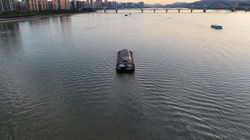
These are mostly 500-800 ton vessels that frequently transport building materials, coal, and other goods along rivers. The boat crews often consist of husband-and-wife teams who live on the boats long-term, requiring a focus on navigation safety and timely cargo delivery.
The photos displayed here were taken at six of the field sites I visited during my research, using drone and camera footage to showcase the existing forms of water transport and vessel types along the Qiantang River.